Construction debris removal in Alberta: 50% can be recycled
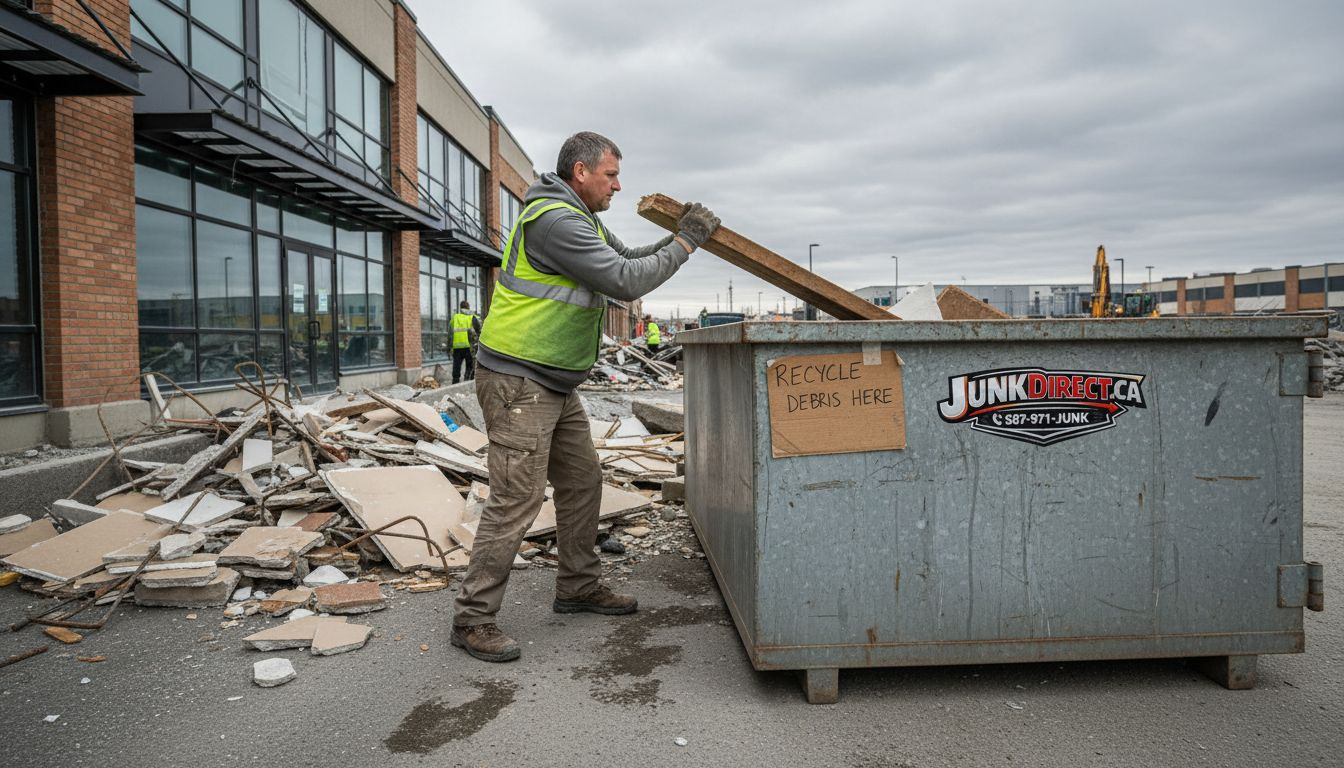
Many Alberta homeowners and contractors assume all construction waste can be tossed into one bin without consequence. This costly misconception ignores provincial sorting regulations that mandate separation of recyclable materials, hazardous substances, and general waste. Understanding construction debris removal is not just about clearing clutter from your renovation site. It is about complying with Alberta law, protecting the environment, and controlling project costs through efficient, responsible disposal practices.
Table of Contents
- Understanding Construction Debris: Definition And Components
- Environmental And Regulatory Framework In Alberta
- Common Misconceptions About Construction Debris Removal
- Comparing Construction Debris Removal Services In Calgary And Alberta
- Cost Considerations And Budgeting Tips For Debris Removal
- Practical Steps To Hire Or Manage Construction Debris Removal
- Summary And Best Practices For Environmentally Responsible Debris Removal
- Simplify Your Construction Debris Removal With Junk Direct
Key takeaways
| Point | Details |
|---|---|
| Construction debris includes wood, drywall, concrete, metals, bricks, and roofing materials leftover from builds and renovations | Wood typically comprises 40 to 50% of debris volume, creating significant recycling opportunities |
| Alberta’s Environmental Protection and Enhancement Act requires licensed disposal and proper sorting to divert up to 90% of waste from landfills | Sorting prevents contamination, reduces environmental harm, and avoids fines |
| Common myths include believing all debris can be mixed, underestimating donation options, and expecting prohibitively high costs | Understanding pricing models and recycling benefits helps avoid regulatory penalties |
| Licensed full service providers handle loading, hauling, sorting, recycling, and donation, while low cost dumping options often lack transparency and eco practices | Hidden fees can inflate costs by 15 to 25% if pricing is unclear |
| Planning debris removal early, verifying licences, requesting transparent quotes, and scheduling pickups aligned with renovation phases minimises downtime and expenses | Same day pickup and all in loading services reduce project delays by up to 30% |
Understanding construction debris: definition and components
Construction debris refers to materials leftover from renovation, demolition, and new construction activities. Whether you are tearing down walls, replacing roofing, or building an addition, debris accumulates quickly and requires proper handling. These materials vary widely in composition, recyclability, and disposal requirements under Alberta regulations.
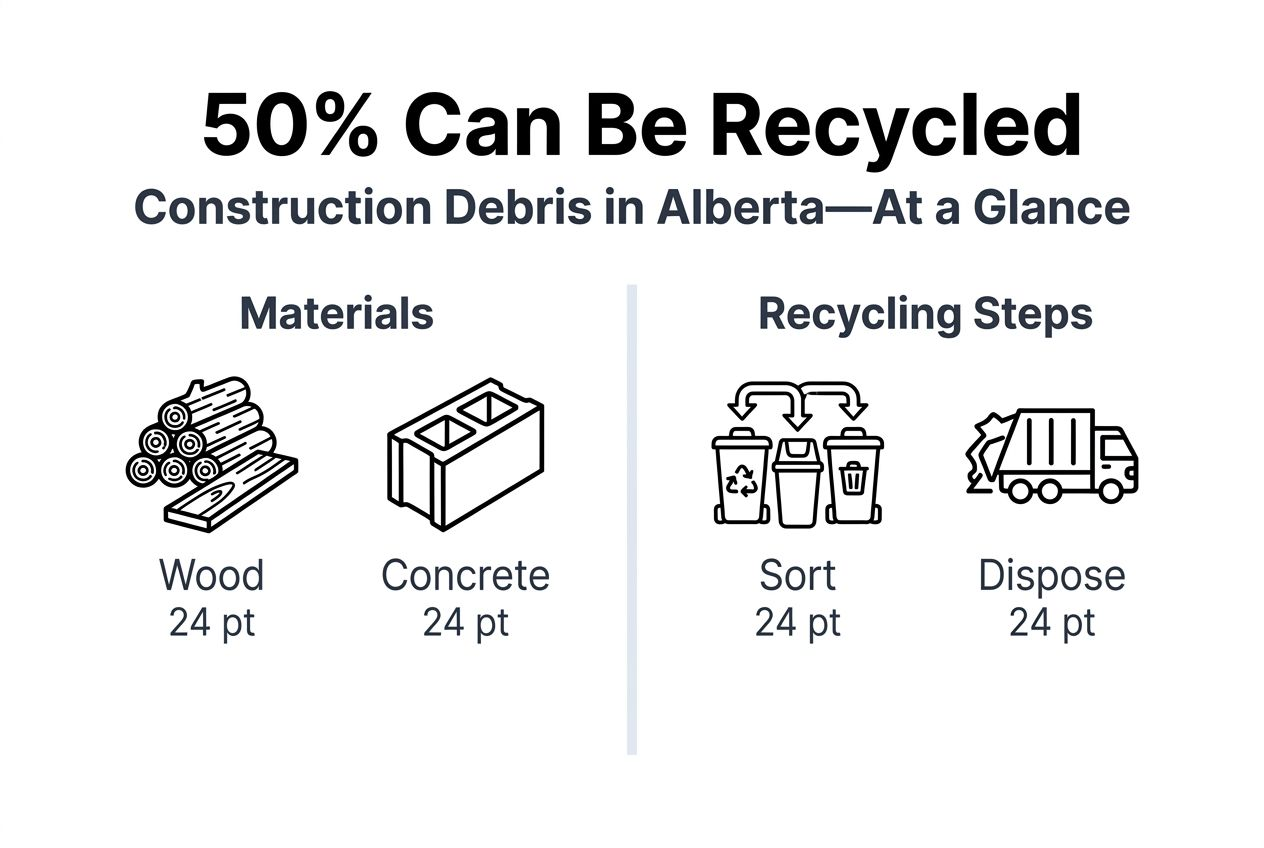
Typical construction debris components include wood framing, drywall sheets, concrete rubble, metal fixtures, bricks, asphalt shingles, and insulation. Wood constitutes 40 to 50% of construction debris by volume in Alberta projects, representing both a disposal challenge and a valuable recycling opportunity. Metals like copper wiring and steel beams are highly recyclable and often accepted by scrap facilities. Concrete and brick can be crushed for reuse in road base or landscaping aggregate.
Understanding what materials make up your debris helps you plan sorting, estimate volumes, and select appropriate removal services. Different materials require different disposal methods. Hazardous substances like asbestos insulation or lead paint demand specialised handling to prevent environmental contamination and health risks. Recognising these distinctions early in your project ensures compliance with Alberta environmental laws and maximises recycling rates.
Common construction debris materials:
- Wood framing, trim, and formwork
- Drywall and plaster
- Concrete, brick, and masonry
- Metals including steel, copper, and aluminium
- Roofing materials such as asphalt shingles and metal panels
- Insulation and vapour barriers
- Flooring remnants like tile, carpet, and hardwood
Environmental and regulatory framework in Alberta
Alberta law mandates responsible construction waste disposal to protect public health and the environment. The Environmental Protection and Enhancement Act requires licensed disposal sites and proper sorting to divert up to 90% of construction waste from landfills. Homeowners and contractors must use licensed facilities and separate recyclable materials from general waste to avoid contamination.
Sorting debris is not optional. Regulations require separating wood, metal, concrete, and hazardous materials before disposal. This prevents recyclable resources from entering landfills and ensures hazardous substances receive safe handling. Proper sorting reduces environmental damage and supports Alberta’s sustainability goals by promoting circular economy practices.
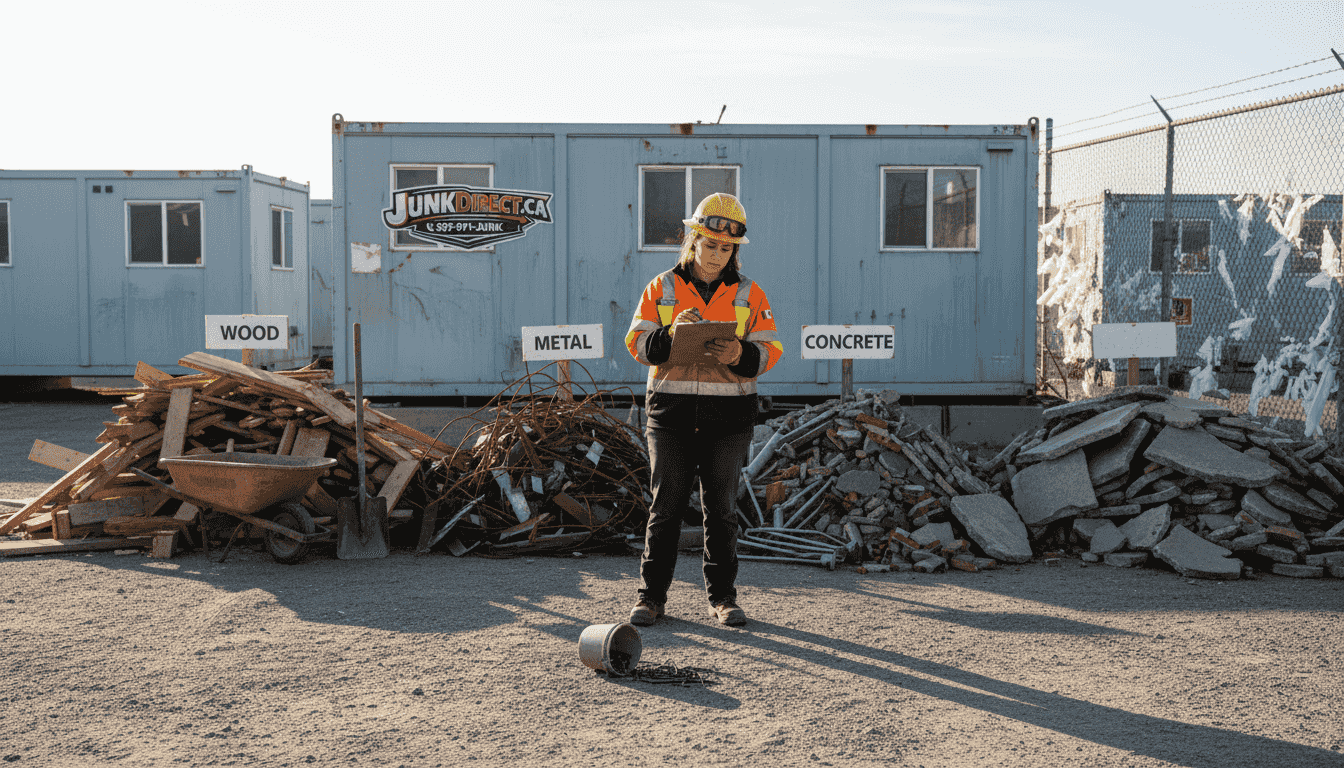
Hazardous materials like asbestos, lead paint, and certain solvents require specialised disposal procedures. Mixing these substances with general debris can lead to soil contamination, groundwater pollution, and serious health hazards for workers and communities. Licensed disposal facilities have protocols for handling hazardous waste safely, including containment, transportation, and treatment.
Pro Tip: Contact Alberta Environment and Parks or your municipal waste management office before starting demolition to confirm specific regulations for your project. Early compliance planning prevents costly delays and fines.
Steps to ensure regulatory compliance:
- Verify your debris removal provider holds current licences under Alberta environmental legislation.
- Confirm the service includes sorting and recycling to meet provincial diversion targets.
- Request documentation of disposal locations and methods for your records.
- Separate hazardous materials immediately and arrange specialised pickup.
- Keep all receipts and disposal certificates for potential audits or permit renewals.
Efficient sorting and responsible disposal can divert up to 90% of construction waste from landfills, significantly reducing your project’s environmental footprint. This high diversion rate is achievable when contractors and homeowners prioritise recycling wood, metal, and concrete while donating usable fixtures and materials.
Common misconceptions about construction debris removal
Many people believe all construction debris can be thrown away together in one container. This myth stems from outdated practices before Alberta tightened environmental regulations. In reality, provincial law requires sorting to separate recyclable materials, hazardous substances, and general waste. Failing to sort can result in fines and project delays if inspectors discover non compliance.
Another widespread belief is that debris removal is prohibitively expensive. This misconception often arises from lack of understanding about pricing models and service options. While costs vary based on volume, material type, and service level, transparent pricing from licensed providers often proves more economical than DIY disposal. Hidden fees, permit costs, and time spent hauling debris yourself can exceed professional service charges.
Pro Tip: Request detailed quotes from multiple providers to compare total costs including loading, hauling, sorting, and disposal fees. Transparent pricing eliminates surprises and helps you budget accurately.
Donation of usable materials is frequently overlooked despite offering financial and environmental benefits. Many homeowners assume old fixtures, doors, windows, and cabinetry have no value. In fact, charities and salvage organisations accept these items, providing tax deductions while reducing landfill waste. Licensed debris removal services often facilitate donations, connecting your project with local programs.
Common myths debunked:
- All debris can be mixed and landfilled: Alberta law mandates sorting to separate recyclables and hazardous materials.
- Debris removal is too expensive: Transparent pricing and DIY cost comparisons often reveal professional services save money and time.
- Nothing from construction sites can be donated: Usable fixtures, materials, and hardware are frequently accepted by local charities.
- Small renovation debris does not require permits or compliance: Provincial regulations apply regardless of project size, requiring licensed disposal.
Comparing construction debris removal services in Calgary and Alberta
Selecting the right debris removal service impacts project efficiency, costs, and environmental outcomes. Full service providers handle loading, hauling, sorting, recycling, and responsible disposal, offering comprehensive solutions that streamline renovations. Basic dumping options may appear cheaper initially but often lack transparency, recycling capabilities, and regulatory compliance.
Transparent pricing is critical when comparing services. Hidden fees can inflate total costs by 15 to 25% if providers charge extra for fuel, labour, sorting, or disposal after quoting a base rate. Licensed debris removal services typically offer all inclusive pricing, eliminating surprises and simplifying budgeting.
Eco friendly services prioritise recycling and donation, achieving higher diversion rates from landfills. These providers sort materials on site or at transfer facilities, sending wood to recycling centres, metals to scrap yards, and usable items to charities. This approach reduces environmental impact and aligns with Alberta’s sustainability targets.
Service comparison:
| Feature | Licensed Eco Friendly Services | Low Cost Dumping Options |
|---|---|---|
| Loading included | Yes, full service team handles all labour | No, customer loads containers |
| Sorting and recycling | Comprehensive sorting for maximum diversion | Minimal or no sorting, mixed disposal |
| Transparent pricing | All inclusive quotes with no hidden fees | Base rates often exclude fuel, disposal, and labour surcharges |
| Regulatory compliance | Licensed under Alberta environmental laws | May lack proper licences or documentation |
| Donation facilitation | Coordinates with local charities for usable materials | Rarely offers donation services |
| Environmental impact | High recycling rates, low landfill waste | High landfill rates, minimal recycling |
Factors to prioritise when selecting a service:
- Current licences and compliance with Alberta environmental regulations
- Transparent all inclusive pricing with no hidden fees
- Comprehensive sorting, recycling, and donation capabilities
- Positive customer reviews and verifiable references
- Flexible scheduling including same day pickup options
Cost considerations and budgeting tips for debris removal
Typical construction debris removal costs in Alberta range from CAD 150 to CAD 600 per load, depending on volume, material types, and service level. Small loads from minor renovations fall on the lower end, while large scale demolitions requiring multiple pickups reach higher rates. Understanding pricing structures helps you budget accurately and avoid overspending.
Hidden fees can add 15 to 25% to your total cost if pricing is not transparent. Some providers quote low base rates but charge extra for fuel, labour, sorting, disposal permits, and hazardous material handling. These surcharges accumulate quickly, making apparently cheap services more expensive than full service alternatives with all inclusive pricing.
Using full service providers that include loading reduces indirect costs like project downtime, labour diversion, and vehicle rental. When your renovation crew spends hours hauling debris instead of completing construction tasks, project timelines extend and labour costs rise. Professional debris removal keeps your team focused on core work, accelerating project completion.
Budgeting strategies to control debris removal expenses:
- Request detailed written quotes specifying all fees, including loading, hauling, sorting, disposal, and any surcharges.
- Compare total costs from multiple licensed providers, not just base rates.
- Schedule debris removal aligned with renovation phases to minimise the number of pickups required.
- Separate recyclable materials yourself if feasible to reduce disposal fees for mixed waste.
- Ask about volume discounts for large projects requiring multiple loads or ongoing service.
- Verify what materials are included in quoted prices to avoid unexpected charges for specific debris types.
Careful budgeting prevents financial surprises and ensures you select debris removal services offering the best value for your project. Investing in transparent, licensed providers often saves money compared to low cost options that add hidden fees or require significant DIY effort.
Practical steps to hire or manage construction debris removal
Identifying debris types and estimating volumes early in your renovation planning helps you select appropriate removal services and schedule pickups efficiently. Walk through your project scope and list materials to be removed, including wood framing, drywall, concrete, fixtures, and any hazardous substances. Accurate volume estimates prevent underordering containers or scheduling insufficient pickups.
Researching and verifying licensed service providers protects you from regulatory penalties and ensures responsible disposal. Check that providers hold current licences under Alberta environmental legislation and request proof before hiring. Licensed companies are typically listed on Alberta government or municipal waste management websites, offering a reliable verification method.
Requesting free quotes from multiple providers allows cost comparison and service evaluation. Confirm quotes include sorting, recycling, and donation facilitation to ensure compliance and sustainability. Transparent providers detail all fees, timelines, and service scope in written quotes, eliminating ambiguity.
Step by step hiring and management process:
- Identify debris types and estimate volumes by walking through your renovation scope.
- Research licensed debris removal services in your area, verifying credentials with Alberta Environment and Parks or municipal offices.
- Request free quotes from at least three providers, confirming each includes loading, hauling, sorting, recycling, and donation.
- Compare total costs, service scope, and customer reviews to select the best provider for your project.
- Schedule debris removal aligned with renovation phases, such as post demolition, post framing, and final cleanup.
- Confirm pickup dates and ensure debris is accessible for loading without obstructing ongoing work.
- Request disposal receipts and documentation for your records to demonstrate regulatory compliance.
Selecting a debris removal service that offers same day pickups and all in loading reduces project downtime by up to 30%. Fast scheduling prevents debris accumulation that creates workspace clutter and safety hazards. Effective construction debris removal contributes to faster project completion by preventing workspace clutter and minimising health hazards on site.
Consider Calgary debris removal services that specialise in renovation debris cleanup to ensure expertise and efficiency. For projects in surrounding areas, Cochrane debris removal providers offer similar capabilities with local knowledge. Evaluate junk removal company selection criteria to ensure your chosen provider meets industry standards.
Summary and best practices for environmentally responsible debris removal
Prioritising licensed disposal sites compliant with Alberta regulations ensures your project meets environmental standards and avoids fines. Verify provider licences before hiring and request documentation of disposal methods and locations. Licensed facilities follow strict protocols for sorting, recycling, and safe handling of hazardous materials.
Using services that recycle or donate salvageable materials significantly reduces landfill waste and supports Alberta’s sustainability goals. Wood, metal, concrete, and usable fixtures can be diverted from landfills, conserving natural resources and reducing greenhouse gas emissions from waste decomposition.
Planning debris removal early and integrating it smoothly into project timelines prevents delays and maintains worksite safety. Schedule pickups aligned with renovation phases to clear debris promptly without disrupting ongoing construction. Early planning also allows time to research providers, compare quotes, and arrange specialised disposal for hazardous materials.
Best practices for responsible debris removal:
- Use only licensed disposal sites that comply with Alberta’s Environmental Protection and Enhancement Act.
- Prioritise services offering comprehensive sorting, recycling, and donation to maximise waste diversion.
- Plan debris removal early in project timelines and schedule pickups aligned with renovation phases.
- Separate hazardous materials immediately and arrange specialised disposal to prevent contamination.
- Keep all disposal receipts and documentation for regulatory compliance and potential audits.
- Stay informed about local regulations by consulting Alberta Environment and Parks or municipal waste management offices.
Simplify your construction debris removal with Junk Direct
Navigating Alberta’s construction debris regulations while managing your renovation timeline can feel overwhelming. Junk Direct offers licensed, full service debris removal tailored for Alberta homeowners and contractors, handling every step from loading to responsible disposal. Our team sorts materials on site, maximising recycling and coordinating donations of usable fixtures to local charities, ensuring your project aligns with environmental best practices.
Transparent pricing means you budget confidently with no hidden fees for fuel, labour, or disposal. Fast scheduling options, including same day pickups, keep your renovation cleanup on track, preventing workspace clutter and safety hazards. Whether your project is in Calgary, Airdrie, or Cochrane, our local expertise and commitment to sustainability make debris removal hassle free and environmentally responsible.
FAQ
How do I know if a debris removal company is licensed in Alberta?
Check for registration under Alberta’s Environmental Protection and Enhancement Act and request proof of licensing before hiring. Licensed companies are usually listed on Alberta government or municipal waste management websites. Contact Alberta Environment and Parks directly to verify credentials if needed.
What materials can be recycled or donated from construction debris?
Wood, metal, bricks, concrete, drywall, and certain roofing materials can often be recycled through specialised facilities. Usable fixtures and materials like doors, windows, cabinetry, and hardware may be donated through local charities and salvage programmes. Separating these items during demolition maximises diversion rates and reduces disposal costs.
How can I reduce debris removal costs during my renovation?
Plan debris removal in conjunction with project phases to avoid multiple pickups that increase total costs. Choose all in one loading and hauling services to reduce labour costs and project downtime. Request multiple quotes from licensed providers and confirm transparent pricing to avoid hidden fees for fuel, disposal, or surcharges.
What are the penalties for non compliance with Alberta construction debris regulations?
Fines can reach up to CAD 50,000 for improper disposal or mixing hazardous materials with general debris under Alberta environmental legislation. Non compliance also risks environmental harm, project delays, and complications with permit renewals or future approvals. Maintaining documentation of licensed disposal protects you from regulatory penalties.


Comments
Post a Comment